Sound and Sensory Design at Dubai's Museum of the Future
Discover how sound, light, and sensory design shape the emotional experience inside Dubai's Museum of the Future.
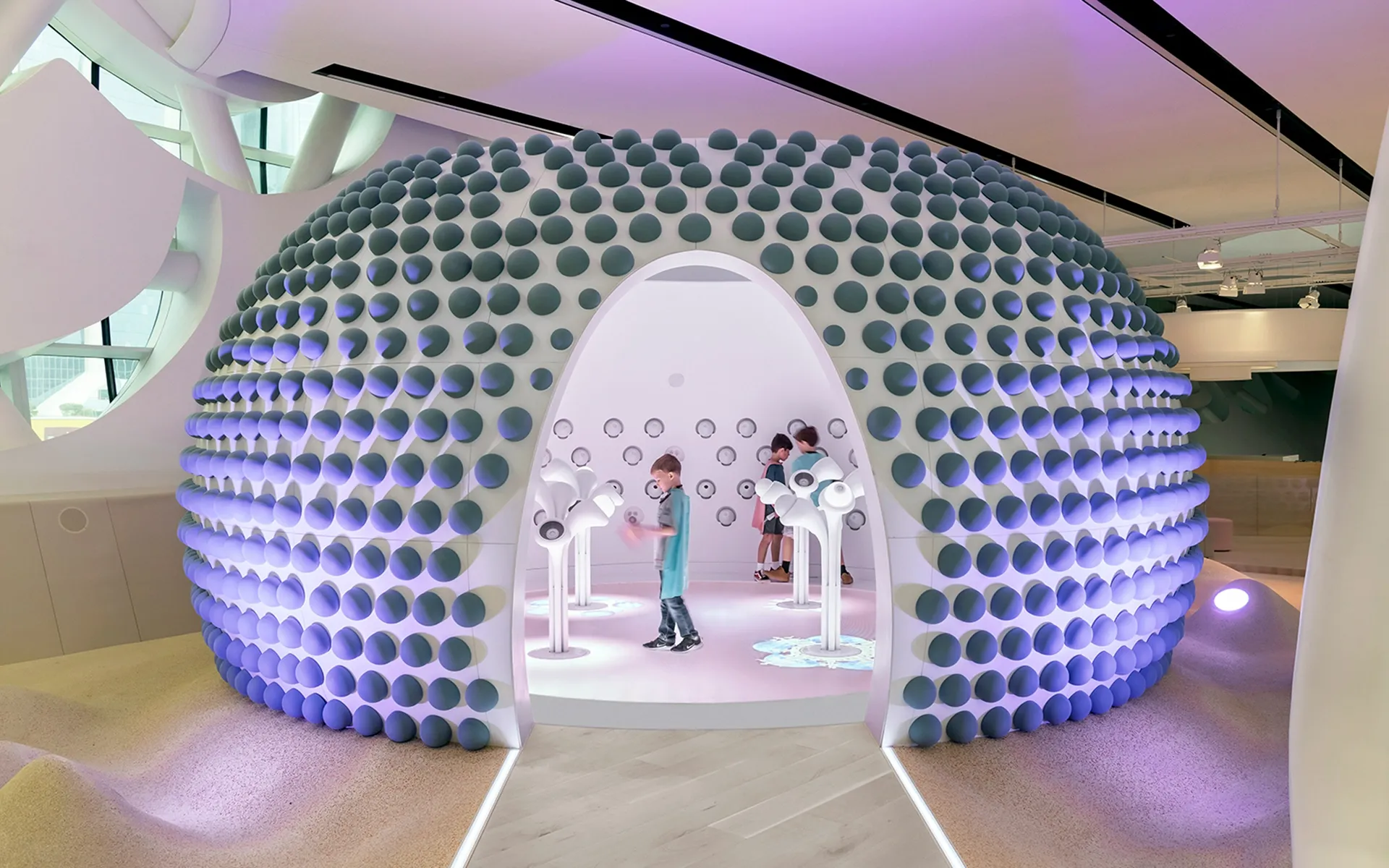
Most photos of the Museum of the Future focus on the exterior. Inside, however, a careful choreography of sound, light, and sensory cues guides how you feel from floor to floor.
The role of sound
Sound design quietly tells you what kind of future you are in.
- In OSS Hope, you might hear subtle hums, mission audio, and ambient space tones.
- In Heal Institute, the soundscape softens, anchoring you in forests, oceans, or ecosystems.
- In Al Waha, voices and tones invite slower breathing and mindful movement.
If you can, take a moment on each floor to simply close your eyes and listen. You will notice the story more clearly.
Lighting as narrative
Light levels shift from bright and crisp to dim and cocoon-like as you move through the museum.
- Bright, expansive light in OSS Hope signals exploration and possibility.
- Warmer, filtered light in Al Waha suggests safety and reflection.
- Contrasting displays in Tomorrow Today spotlight singular prototypes, like exhibits in a gallery.
These changes are not random; they are the building's way of nudging your attention and emotional state.
Touch, temperature, and movement
Many exhibits engage your body as much as your intellect.
- Slight changes in temperature make some zones feel more open or more intimate.
- Textures under your hands and feet remind you that not all futures are screen-based.
- Spiral ramps and gentle slopes encourage a continuous, flowing walk instead of abrupt stops.
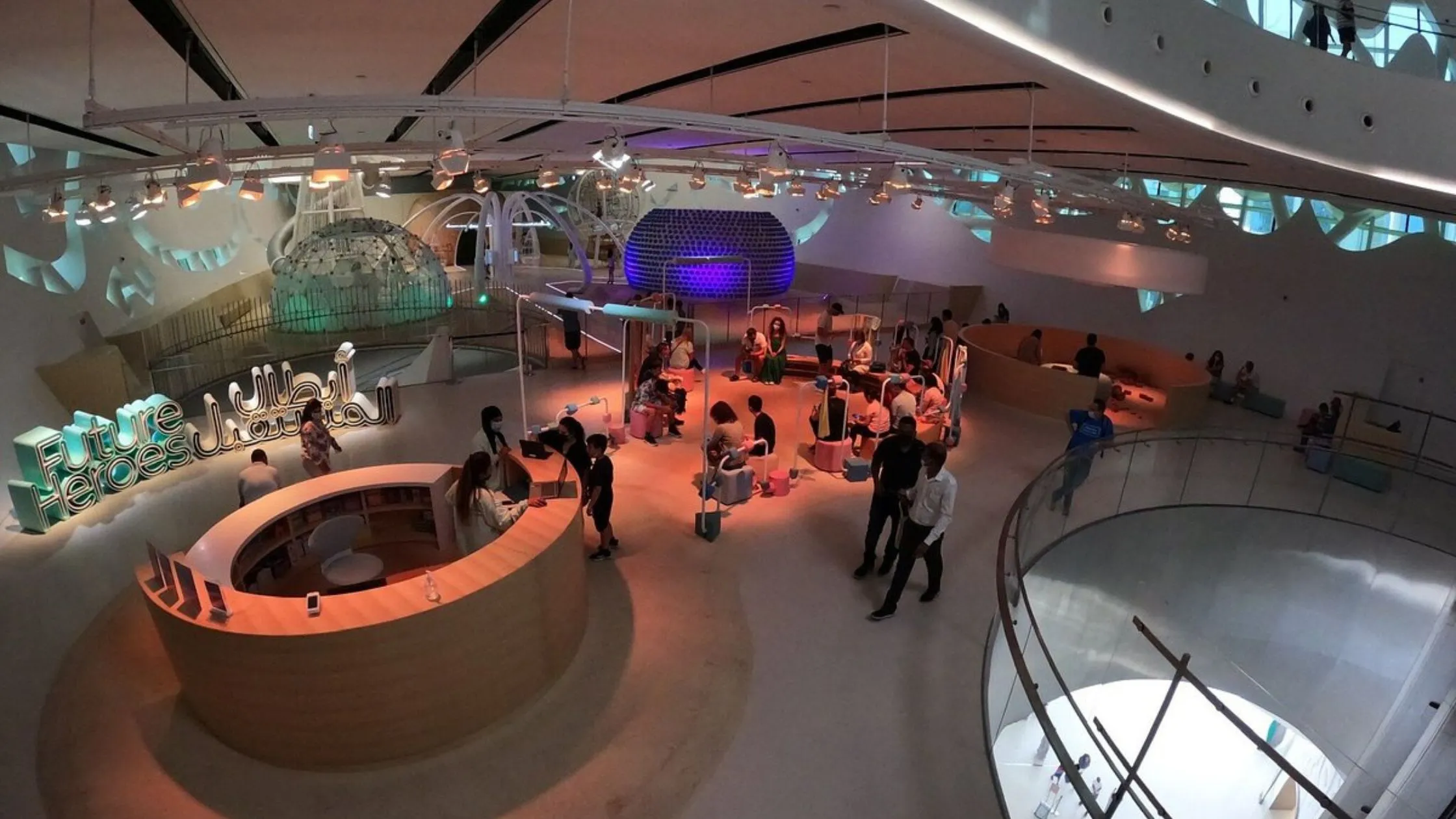
How to experience the museum through your senses
Try this simple practice on your next visit:
- Sight: Notice where your eyes are naturally drawn in each room.
- Hearing: Identify three sounds in every new space.
- Touch: Pay attention to handrails, walls, or interactive surfaces.
For sensory-sensitive visitors
If you or someone in your group is sensitive to noise, light, or crowds:
- Aim for earlier time slots when spaces tend to be calmer.
- Carry discreet tools like earplugs or noise-reducing headphones.
- Do not hesitate to skip or shorten any room that feels too intense—there is no single "right" path.
You can also ask staff which areas are typically quieter or more gently lit.
Sensory journaling idea
After your visit, take five minutes to jot down:
- One sound that stayed with you.
- One moment when the lighting changed how you felt.
- One texture or physical sensation you remember.
By the end of your journey, you may realize that the most powerful part of the Museum of the Future is less what you saw and more how it made you feel.
About the Author

Experience Designer
I created this guide to help you approach the Museum of the Future with curiosity, clear expectations, and a few insider tips, so you can focus on enjoying the experience instead of worrying about logistics.
Tags
Comments (0)
Loading comments...