What Is Inside Dubai's Museum of the Future? Floors, Zones, Experiences
Explore what is inside Dubai's Museum of the Future: a detailed breakdown of each floor including OSS Hope, Heal Institute, Al Waha, Tomorrow Today, and Future Heroes.
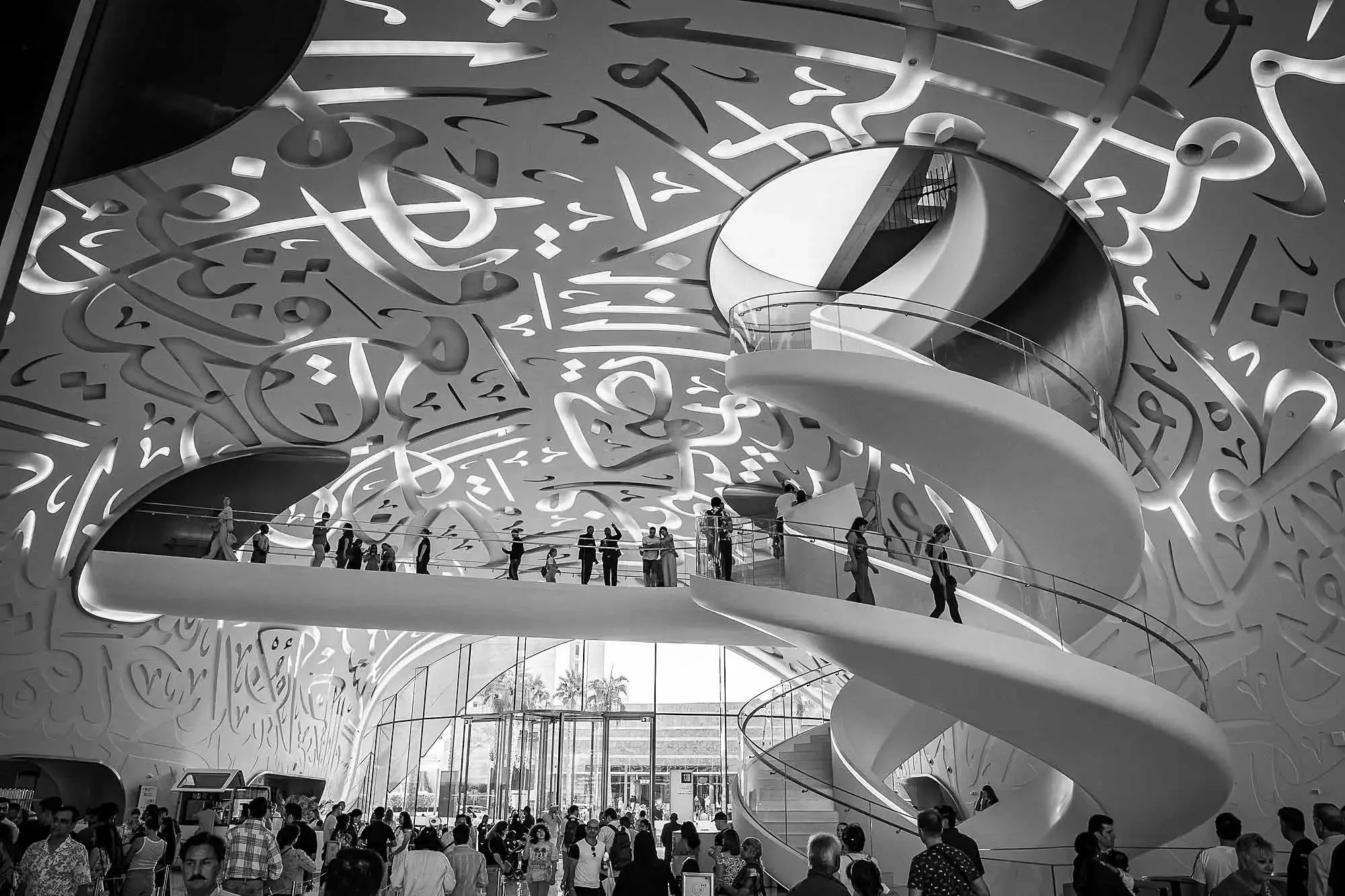
Many visitors arrive at the Museum of the Future wondering what exactly awaits them inside. There are no dusty glass cases or long labels here. Instead, you move through a curated storyline that stretches from space to climate, from your senses to prototype technologies.
Floor-by-floor overview
Here is a simplified map of the journey you are likely to follow.
| Floor (typical) | Theme or Zone | Main focus |
|---|---|---|
| Top floors | OSS Hope | Space station and orbital futures |
| Upper mid | Heal Institute | Climate, ecology, and biodiversity |
| Mid | Al Waha | Digital detox and sensory wellness |
| Lower mid | Tomorrow Today | Real technology and prototypes |
| Lower | Future Heroes | Interactive zone for children |
Note: The exact configuration can evolve over time as the museum updates its exhibits, but the narrative arc from space to everyday life tends to remain constant.
1. OSS Hope – a space station in 2071
Your visit typically begins with an elevator trip styled as a rocket launch. When the doors open, you step into an orbital station above Earth called OSS Hope.
Highlights include:
- Large, curved windows overlooking a projected Earth.
- Stories about space-based solar power and orbital infrastructure.
- Concept missions addressing climate, energy, and communications.
Spend at least 20–25 minutes here if you love space, design, or systems thinking.
2. Heal Institute – repairing the planet
Descending from orbit, you enter a world of climate solutions and biodiversity.
Look for:
- A digital library of species and biomaterials.
- Displays on reforestation, reef repair, and carbon removal.
- Immersive rooms that simulate different ecosystems.
Instead of focusing on doom, Heal Institute leans into resilient, adaptive futures and the tools that could get us there.
3. Al Waha – the sanctuary of the senses
Al Waha (meaning the oasis) invites you to slow down. It is a soft, almost dreamlike area designed as a digital detox spa.
Expect experiences that engage your:
- Touch – textured walls, haptic surfaces, or sand-like installations.
- Hearing – calming soundscapes, ambient voices, or subtle tones.
- Movement – gentle group exercises or posture-based stations.
Many visitors describe this level as the heart of the museum because it quietly asks a powerful question: in a hyper-connected world, what does it mean to feel human?
4. Tomorrow Today – real technology you can explore
Tomorrow Today is where the line between exhibition and showroom blurs. The partner displays and installations highlight technologies that already exist or are in advanced development.
You might encounter:
- Robotics and mobility concepts.
- Smart materials and responsive architecture models.
- Health-tech innovations such as advanced prosthetics or diagnostics.
This is an excellent place to take notes or photos if you work in innovation, design, or policy.
5. Future Heroes – for children and families
Future Heroes is a dedicated area where children can learn by playing. It focuses less on screens and more on physical challenges, cooperation, and creativity.
Typical activities revolve around three pillars:
- Imagine – storytelling, building, and role-play.
- Design – simple prototyping and problem-solving.
- Build – team games and constructive tasks.
Parents can relax in adjacent seating areas while keeping a visual line on their children.
How long to spend on each floor
As a rough guide for a 3-hour visit:
- OSS Hope: 25–30 minutes.
- Heal Institute: 25–30 minutes.
- Al Waha: 20 minutes.
- Tomorrow Today: 30–40 minutes.
- Future Heroes: 30–45 minutes (if visiting with kids).
Total: About 2.5–3 hours, plus time for the lobby, gift shop, and photos.
Suggested priorities by visitor type
If time is short, focus on the floors that match your interests most.
- Families with kids: Future Heroes, OSS Hope, and Al Waha.
- Tech professionals: Tomorrow Today and Heal Institute.
- Wellness seekers: Al Waha and the more reflective corners of Heal Institute.
Sample themed routes
Route 1 – Climate & Planet Focus
OSS Hope → Heal Institute → Tomorrow Today (energy and materials exhibits).
Route 2 – Human Experience & Wellness
Heal Institute → Al Waha → Future Heroes (if with kids).
Route 3 – Technology & Cities
OSS Hope → Tomorrow Today → selected Heal Institute rooms.
These mini-routes help you customize your visit without feeling like you have to see every single corner.
Quick reflection prompts
- Which floor surprised you the most, and why?
- Did any exhibit change how you think about climate, cities, or technology?
- If you could bring one idea from the museum into your own community, what would it be?
Whatever route you take, remember that the point is not to see everything, but to feel challenged, inspired, and slightly stretched by the possibilities laid out before you.
저자 소개

Dubai Experience Curator
이 한국어 가이드는, ‘관심은 있지만 어떤 곳인지 잘 감이 오지 않는다’는 분들이 조금 더 편안한 마음으로 미래 박물관을 찾을 수 있도록 돕기 위해 작성되었습니다. 사전에 기본 정보와 전반적인 분위기를 공유함으로써, 현장에서는 최대한 복잡한 고민을 내려놓고, 눈앞의 경험과 떠오르는 생각들에 집중하실 수 있기를 바랍니다.
Tags
Comments (0)
Loading comments...